
Death, Memory, and Social Forgetting
In Search of Lost TimeThe deaths of relatives and artists reveal the uneven timing of grief and the ease with which social groups erase those who can no longer take part.
increasing Bearing strength in each event
 decreasing
Bearing strength in each eventdecreasingDechambre’s Death
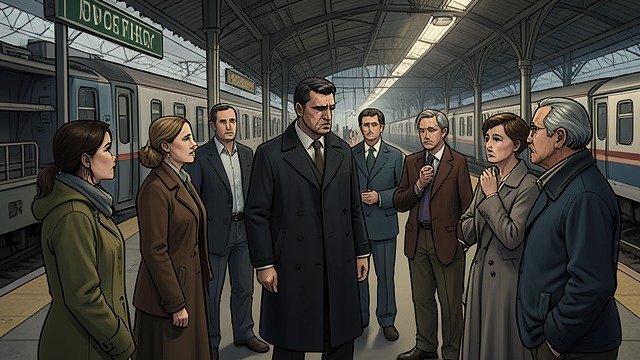
News at the Station
A former favorite
The faithful learn that Dechambre, once a celebrated pianist in the Verdurin circle, has died. His death interrupts a dinner that continues almost unchanged.
Unequal responses
Brichot mourns, while M. Verdurin resists prolonged remembrance. Social grief becomes a test of whether a dead member still matters to the living group.
A Dinner Continues
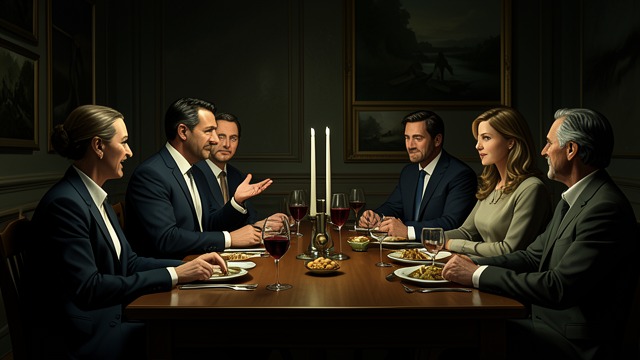
The Salon’s Routine
Mourning managed away
M. Verdurin instructs guests not to discuss Dechambre in front of his wife. He treats grief as a danger to the evening’s social order.
The dead excluded
The dinner proceeds, and the deceased has no place in its present life. The salon preserves its schedule by minimizing the person who once served it.
Swann’s Approaching Death
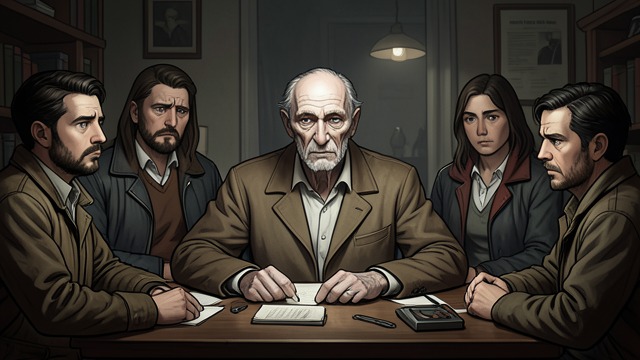
Illness on Display
A transformed face
The narrator sees how illness has altered Charles Swann’s appearance. Other guests stare with curiosity, cruelty, and uneasy self-recognition.
A life reconsidered
Swann’s former social mystique has faded for the narrator. Approaching death makes old passions and current political hopes more visible.
The Grandmother’s Recovered Presence
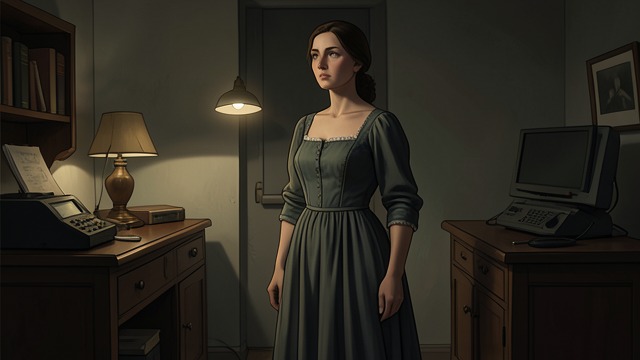
Grief Arrives Late
A return from memory
The narrator’s grandmother becomes emotionally real through involuntary memory. Her death, already a fact, becomes newly experienced.
Time misaligned
The calendar of events and the calendar of feelings have diverged. Grief reaches him only when sensation makes remembrance possible.
Memory as Survival
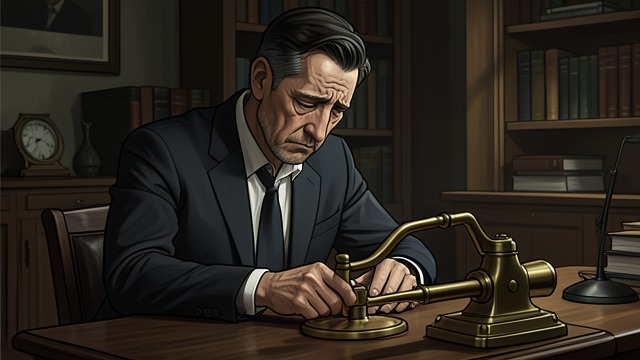
The Dead in the Mind
A painful continuation
The narrator insists that he remembers his grandmother through pain, refusing to pretend that she is merely absent elsewhere. Suffering becomes evidence of a relationship still active within him.
No restoration
The dead may shape the living, but memory cannot bring them back. Their influence survives as both inheritance and irreparable loss.
On the day of the Verdurins’ dinner at La Raspelière
That evening at La Raspelière
At the Guermantes reception
The first night at Balbec
During the narrator’s reflections after the recollection
